 how-to
How to Wash Performance Golf Apparel
Table of Contents
- Why Proper Care Matters for Performance Golf Apparel
- Sort Your Golf Shirts by Fabric Type Before Washing
- Choose the Best Detergent for Moisture-Wicking Fabric
- Water Temperature and Wash Cycle Settings
- How to Remove Sweat Stains from Golf Shirts
- Drying Performance Golf Apparel the Right Way
- Storage and Long-Term Maintenance Tips
- Frequently Asked Questions
Last Updated: September 22, 2026
Why Proper Care Matters for Performance Golf Apparel
Taking care of your wash performance golf apparel isn't just about keeping it looking sharp. The way you wash performance golf apparel directly affects how well it performs on the course. Moisture-wicking fabrics are engineered to pull sweat away from your skin, but improper washing can break down those fibers and reduce breathability.
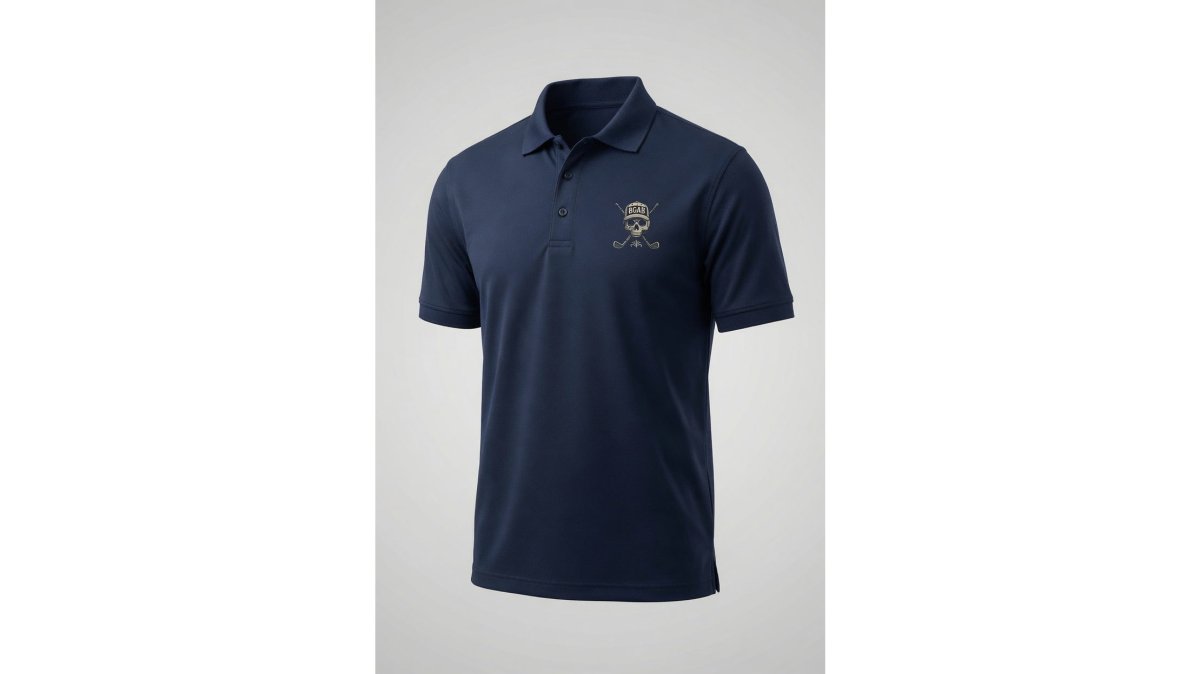
Better Grab A Beer knows that golfers invest in quality gear for a reason. Our performance golf polos are built to last, but they need the right care to maintain their moisture-management properties. When you wash your gear incorrectly, you're essentially throwing away the technology that makes it work.

The good news? Proper care is straightforward once you know what to do. A few simple steps will keep your golf shirts performing at their best for seasons to come.

Sort Your Golf Shirts by Fabric Type Before Washing
Before you toss your golf shirts in the wash, separate them by fabric type. Most performance golf apparel uses polyester blends or synthetic fibers, but not all synthetic fabrics behave the same way during washing.
Check the care tag on each shirt. Polyester-based moisture-wicking fabrics need different treatment than cotton blends. Separate your golf shirts into these groups:
- Pure polyester performance polos
- Polyester blend shirts
- Cotton or cotton-blend casual wear
- Items with graphic prints or logos
Washing by fabric type prevents color bleeding and reduces friction between different materials. This simple step protects the integrity of your performance fabrics and keeps graphics looking sharp longer.
Choose the Best Detergent for Moisture-Wicking Fabric
The detergent you use makes a real difference for moisture-wicking fabric. Many standard detergents leave residue that clogs the fibers and reduces breathability. You need a mild detergent designed for synthetic fabrics.
Look for enzyme-based cleaners specifically formulated for performance wear. These break down sweat and oils without damaging the fibers. Skip fabric softener entirely, it coats the fabric and defeats the purpose of moisture-wicking technology.
Better Grab A Beer's performance golf polos are made from 100% polyester interlock jersey with Pro-Lock technology for fade-resistant printing. When you care for them properly, that investment pays off. Use these detergent guidelines:
- Mild detergent designed for synthetics
- Enzyme-based cleaners for odor removal
- Cold water to preserve color
- Skip fabric softener and chlorine bleach
Many golfers make the mistake of using heavy-duty detergent thinking it cleans better. It doesn't. Heavy detergents leave buildup that traps moisture instead of wicking it away. The result is a shirt that smells worse and performs worse after just a few washes.
Water Temperature and Wash Cycle Settings
Cold water wash is your best friend when caring for performance golf apparel. Hot water breaks down synthetic fibers faster and can set sweat stains permanently. Cold water preserves both the fabric and the color.
Use a gentle cycle for your golf shirts. The gentle cycle reduces friction and spin stress on the fibers. A standard or heavy cycle is overkill and accelerates fabric breakdown.
Here's what the best wash settings look like:
- Cold water (under 60°F)
- Gentle cycle
- Low spin speed
- Short wash duration (30-40 minutes)
The spin cycle matters too. High-speed spinning puts stress on synthetic fibers and can cause snags or pilling. A low spin speed keeps your shirts in better condition. If your machine doesn't have adjustable spin settings, reduce the overall cycle intensity.
How to Remove Sweat Stains from Golf Shirts
Sweat stains are one of the biggest threats to performance golf apparel because sweat contains proteins, salts, and oils that bond to synthetic fibers over time. The key to successful stain removal is understanding the chemistry and acting quickly, fresh stains are exponentially easier to remove than set-in ones.
Fresh Sweat Stains (Same Day)
For stains you notice immediately, rinse the affected area with cold water before the sweat dries. Do not use hot water; heat causes proteins in sweat to denature and bond permanently to the fibers. Apply an enzyme-based cleaner directly to the damp stain and let it sit for 15-20 minutes. Enzyme cleaners break down the protein chains in sweat without damaging synthetic fibers the way bleach or heavy detergents would. After the enzyme cleaner has worked, wash the shirt in cold water on a gentle cycle.
Set-In Sweat Stains (Days or Weeks Old)
Older stains require more aggressive treatment. Make a paste by mixing enzyme-based cleaner with a small amount of cold water, then apply it directly to the stain. Let the paste sit overnight, the longer enzymes work, the more effective they become at breaking down dried sweat residue. The next morning, rinse the area with cold water and wash the shirt normally. For particularly stubborn stains, repeat this process a second time before drying.
Hard Water Considerations
If you live in an area with hard water (mineral-rich water), sweat stains may be harder to remove because minerals in the water can react with sweat compounds and create a bond that resists enzyme cleaners. If standard enzyme treatment isn't working, try adding a small amount of white vinegar (1/4 cup per load) to the rinse cycle. The acidity helps dissolve mineral buildup without damaging synthetic fibers. Alternatively, consider using a water softener or running stained items through a rinse cycle with distilled water before applying enzyme cleaner.
Common Mistakes That Set Stains Permanently
- Hot water: Sets protein stains instantly; always use cold water for sweat stains
- Chlorine bleach: Damages synthetic fibers and fades colors; use oxygen-based stain removers instead
- Fabric softener: Coats fibers and traps stain molecules, making them impossible to remove
- Aggressive rubbing: Breaks down synthetic fibers and can spread the stain deeper into the fabric
- Drying before treating: Heat from a dryer or air drying in direct sun will permanently set the stain
Travel-Specific Stain Removal
When you're traveling and can't access a full laundry setup, treat sweat stains immediately in your hotel sink. Rinse the stained area with cold water from the tap, apply enzyme cleaner if you packed it, and let it sit while you're out. Rinse again before bed and hang the shirt to air dry overnight. This prevents the stain from setting during travel and buys you time to do a proper wash when you get home. Better Grab A Beer's performance golf polos are built to handle travel wear, but immediate stain attention, even in limited facilities, is essential to preserving their appearance and performance.
Drying Performance Golf Apparel the Right Way
How you dry your golf shirts matters as much as how you wash them. High heat damages synthetic fibers and can cause permanent shrinkage. Air dry is always the best option for performance golf apparel.
Hang your golf shirts on a clothesline or drying rack in a well-ventilated area. Direct sunlight is fine for most performance fabrics, but it can fade darker colors over time.
The right drying method keeps your shirts looking new:
- Air dry on a clothesline or rack
- Avoid direct sunlight for dark colors
- If using a dryer: tumble dry low only
- Remove while slightly damp
- Never use high heat
Storage and Long-Term Maintenance Tips
How you store your golf apparel between seasons directly affects how long it performs and how much microplastic shedding occurs during its lifetime. Proper storage prevents fabric pilling, color fading, odor buildup, and unnecessary fiber breakdown.
The Right Storage Environment
Folding vs. Hanging
Moisture Control and Mildew Prevention
Microplastic Shedding and Sustainability
Periodic Inspection During Storage
Pilling Prevention
Frequently Asked Questions
Can you machine wash 100% polyester golf shirts?
Yes, most 100% polyester golf shirts are machine washable, including performance-focused styles like those from Better Grab A Beer. Use a gentle cycle with cold water and turn the shirt inside out to protect graphics and reduce friction. Avoid chlorine bleach and fabric softener, which break down synthetic fibers and reduce moisture-wicking performance. Check the care label first, as some premium graphics may require hand washing to preserve printing quality.
Is it better to wash performance apparel in cold or hot water?
Always use cold water for performance golf apparel. Cold water washing preserves the integrity of synthetic fibers and maintains the moisture-wicking properties that make these shirts perform on the course. Hot water can cause color bleeding, fade graphics, and weaken polyester blends. Cold water is equally effective for removing odor and sweat when paired with the right enzyme-based detergent designed for athletic wear.
Can golf shirts go in the dryer without damaging the fabric?
Avoid high heat drying. Machine drying on high heat can damage synthetic fibers, cause static cling, and fade graphics on performance golf shirts. If you must use a dryer, select tumble dry low or air dry completely. Air drying is the safest option and helps preserve breathability and stretch fabric properties. Lay flat or hang to dry for best results and longest apparel life.
Should you use fabric softener on moisture-wicking golf shirts?
No. Fabric softener coats synthetic fibers and blocks moisture-wicking performance, defeating the purpose of performance apparel. Skip softener entirely and instead use a mild detergent or sport-specific detergent formulated for athletic gear. If static cling is an issue, add a dryer sheet during low-heat tumble dry, or simply air dry to avoid static altogether.