 how-to
Why Performance Golf Shirts Lose Shape
Table of Contents
- Why Performance Golf Shirts Lose Shape
- How to Wash Golf Shirts Without Losing Shape
- How to Dry Performance Shirts to Maintain Elasticity
- Performance Golf Shirt Fabric: Polyester, Spandex, and Blends
- Diagnosing Shape Loss in Your Golf Shirt
- When to Repair, Reshape, or Replace
- Choosing Durable Performance Golf Shirts That Hold Their Shape
- Frequently Asked Questions
Last Updated: October 12, 2026
Why Performance Golf Shirts Lose Shape
Performance golf shirts use moisture-wicking fabrics, stretch fibers, and strategic construction to keep you comfortable through 18 holes. Yet many golfers find their favorite polos lose shape after just a few months of regular wear and washing.
Shape loss isn't random, it's the result of specific factors working against the fabric structure. Understanding why performance golf shirts lose shape helps you choose better gear, wash smarter, and extend the life of your polos.
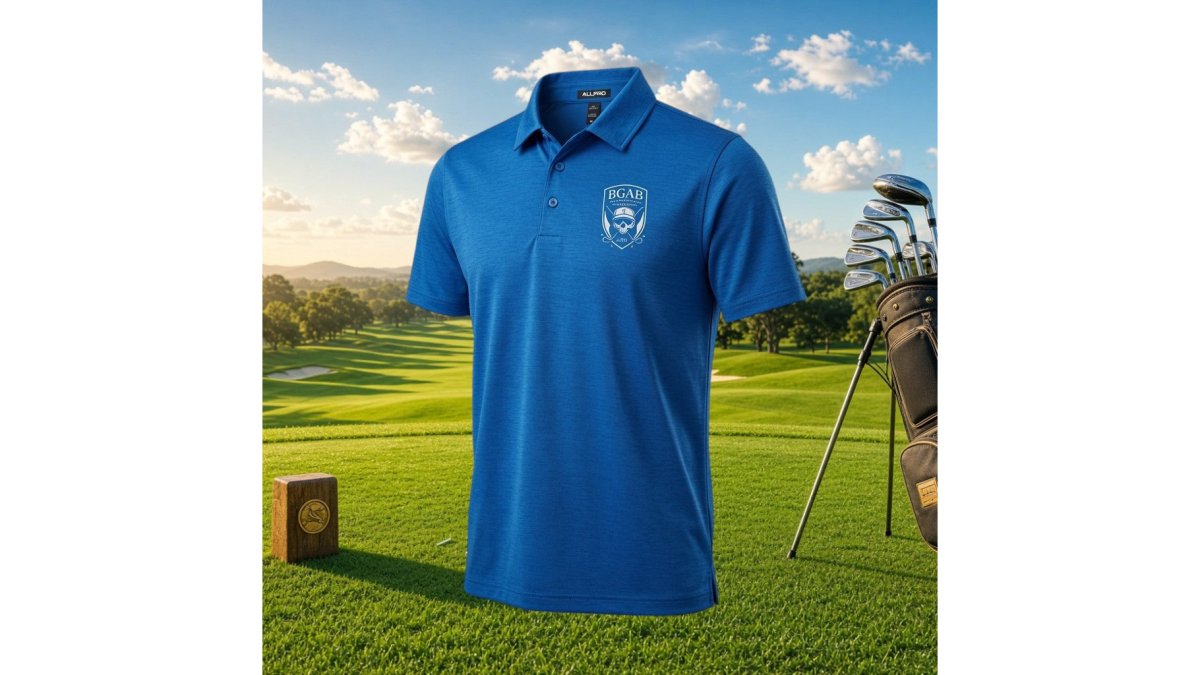
At Better Grab A Beer, we've built our BGAB Golf Pro Polos with materials and construction designed to resist the common culprits of shape loss.
The Role of Fabric Blend and Fiber Properties
The fiber content of your golf shirt determines how well it resists shape loss. Most performance polos combine polyester with other materials like spandex (elastane) or specialty blends to create stretch and recovery.
Polyester is the backbone of most performance golf shirts, durable and moisture-resistant, but prone to losing elasticity over time. That's why manufacturers blend it with elastane or spandex for flexible, comfortable stretch.
Elastane fibers break down from heat, UV exposure, and repeated stretching. Once weakened, the shirt can't bounce back to its original shape.
Knit construction matters too. A tighter knit with higher fabric weight resists bagging and sagging better than a loose, lightweight knit, denser fabric generally means better shape retention.
Heat Damage During Tumble Drying
High heat is the enemy of performance fabrics. Most elastane and spandex fibers degrade above 140°F, and a typical tumble dryer runs 130-160°F, right in the danger zone.
Heat damages elastane's molecular structure, so the fiber can't stretch and recover like new. After a few high-heat cycles, the shirt won't snap back as quickly after you move or bend.
The damage is cumulative: one dryer cycle won't destroy a shirt, but 20 will. Golfers who air dry consistently report better shape retention than those who tumble dry.
High heat also sets wrinkles permanently into performance fabrics. The shirt stays rumpled even after the next wash, and creased areas eventually weaken and tear.
Repeated Washing and Wear Impact
Every wash cycle stresses your golf shirt's fibers. The washing machine's mechanical action, plus detergent and water, gradually weakens elastane and spandex.
Repeated wearing contributes too. Wearing the same shirt multiple days in a row keeps fibers stretched longer, reducing their ability to recover.
Aggressive detergents accelerate fiber breakdown. Standard detergents' enzymes and surfactants break down oils and dirt, but can also degrade elastane over time. A gentle detergent for delicate fabrics is much safer.
Visible shape loss usually comes from heat, detergent, and mechanical stress combined.

How to Wash Golf Shirts Without Losing Shape
Proper washing is the single biggest factor in preserving your golf shirt's shape, and gentle washing doesn't take more time, just a different approach.
Water Temperature and Detergent Selection
Wash performance golf shirts in cool water, ideally 60-80°F. Cool water reduces stress on elastane fibers and prevents heat-related damage before the dryer even comes into play.
Hot water opens fibers so detergent penetrates deeper, but it also stretches them more during the wash cycle. Cool water keeps fibers stable while still cleaning adequately.
Choose a detergent labeled for delicate or performance fabrics, gentler surfactants clean without attacking elastane. Avoid bleach, which rapidly degrades elastane, and skip fabric softeners, which coat the fabric and reduce moisture-wicking performance.
Use less detergent than you think you need, a golf shirt doesn't accumulate heavy dirt like work clothes. One-third of the recommended amount is usually sufficient; extra detergent means more rinsing and more mechanical stress.
Gentle Wash Cycles for Shape Retention
Select a gentle or delicate wash cycle. These use slower spin speeds and shorter wash times, reducing mechanical stress on elastane and polyester fibers.
If your machine has a "sports" or "performance" setting, use it. These cycles are specifically designed for athletic fabrics and typically use cool water with gentle agitation.
Turn your golf shirt inside out before washing to protect the printed design and reduce friction on the outer surface where shape loss shows most.
Don't overload the machine, cramming shirts together increases friction and stretching. Wash golf shirts separately from heavier items like jeans or towels.
How to Dry Performance Shirts to Maintain Elasticity
Drying is where most shape loss happens, your choices here determine whether the shirt keeps its original fit.
Air Drying Versus High Heat Methods
Air drying is the gold standard. Lay the shirt flat on a clean surface or hang it on a padded hanger in a cool, dry spot. Flat drying is gentler than hanging because gravity can't stretch the shoulders and collar.
If you must use a dryer, use the lowest heat setting and remove the shirt while slightly damp, or better, use air-only mode with no heat to remove moisture without high temperatures.
Never use high heat on performance golf shirts. It permanently damages elastane fibers, and no amount of careful washing will restore the original stretch and recovery.
Air drying takes 12-24 hours in humid conditions and 4-6 hours in dry conditions with good circulation. Planning ahead makes it convenient.
Storage and Fit Practices Between Wears
Storage between wears affects shape retention. Hang performance polos on padded hangers rather than wire, which can create permanent creases in the shoulders.
Give shirts space to breathe rather than compressing them in a cramped closet. If you must fold, fold gently along the seams instead of bunching.
Avoid wearing the same golf shirt on consecutive days, let fibers rest and recover. Rotating three or four shirts extends each one's life significantly.
BGAB Golf Skull Golf Pro Polo →
Store shirts in a cool, dry place away from direct sunlight, UV exposure degrades elastane and polyester over time, causing fading and lost elasticity.
Performance Golf Shirt Fabric: Polyester, Spandex, and Blends
Knowing what your golf shirt is made from helps you care for it and choose better shirts in the future.
Stretch Recovery and Dimensional Stability
Elastane (spandex) provides stretch, but its molecular memory, the ability to return to its original shape, weakens with age, heat, and chemical exposure.
Polyester has excellent dimensional stability, resisting stretching and holding shape well. High-polyester shirts hold shape longer than high-elastane ones.
The ideal blend balances stretch with durability. A 60% polyester, 40% specialty fiber blend (like Sorona) offers excellent stretch recovery and shape retention, the formula used in our BGAB Shield Stretchy Pro Polo.

Fabric recovery is the fibers' ability to return to shape after stretching. Test it yourself: stretch the fabric and release. If it snaps back immediately, recovery is good; if it stays stretched, it isn't.
Knit Construction and Fabric Weight Impact
Knit construction determines resistance to bagging and sagging, a tighter, heavier knit resists shape loss better than a loose, lightweight one.
Fabric weight is measured in ounces per square yard; most performance golf shirts range from 4.5 to 7.5 oz/yd². Heavier fabric (6-7.5 oz/yd²) resists bagging better than lighter (4-5 oz/yd²), though it may feel less breathable in warm weather.
Interlock jersey construction, common in performance polos, is denser and more stable than single-knit fabrics, resisting pilling and bagging better than looser knits.
Look for reinforced seams and collars, high-stress areas where shape loss shows first. Reinforcement at shoulders, armholes, and collar extends usable life.
Diagnosing Shape Loss in Your Golf Shirt
If your golf shirt already shows shape loss, you can identify the cause and decide whether it's salvageable.
Examine the fabric: does it feel limp or still structured? Run your fingers across it, pilling indicates fiber breakdown, usually from mechanical stress during washing.
Check the collar. Is it stretched out and droopy? The collar takes stress from wearing and washing, so it often shows shape loss first.
Look at the shoulders and armpits. Sagging or bagging means elastane fibers have lost recovery ability, gravity stretched the fabric and it can't bounce back.
Smell the shirt. A musty or sour odor means damp storage, and moisture accelerates elastane degradation, the shirt may keep deteriorating even with better care.
Try the stretch test: gently stretch the fabric at the chest.
When to Repair, Reshape, or Replace
Not every case of shape loss is permanent. Some shirts can be reshaped with proper care, while others have reached the end of their useful life.
Minor shoulder bagging can sometimes be reduced by careful washing and flat air drying with shoulders in their proper position.
Stretched collars are nearly impossible to fix permanently.
A structurally sound shirt with minor shape loss can be kept for casual wear, reserve it for the driving range or practice rather than rounds where appearance matters.
If a relatively new shirt is losing shape, the problem is likely care, not a defect. Switching to gentle washing and air drying can prevent further deterioration.
Choosing Durable Performance Golf Shirts That Hold Their Shape
When buying new golf shirts, prioritize materials and construction that resist shape loss.
Look for polyester as the dominant fiber.
Check fabric weight: heavier fabrics (6+ oz/yd²) resist bagging better than lightweight options.
Choose interlock jersey over single-knit fabrics, the denser weave resists pilling and bagging. Reinforced seams and collar construction extend the shirt's lifespan.
Our BGAB Shield Stretchy Pro Polo combines 60% polyester with 40% Sorona fiber for high stretch, recovery, and durability.
Better Grab A Beer is committed to quality apparel that performs on the course and holds up to regular use.
Performance golf shirts lose shape because of heat damage, repeated washing, and the natural aging of elastane fibers.
Frequently Asked Questions
Why do performance golf shirts lose their shape after washing?
Performance golf shirts lose shape due to a combination of factors: heat exposure in the dryer, repeated washing cycles that stress fibers, and the fabric blend itself. Polyester and elastane fibers recover from stretching, but high heat and aggressive washing break down that recovery ability. The collar, seams, and hem areas are especially vulnerable because they experience repeated stress during wear and laundering. Using cold water, gentle cycles, and air drying significantly slows this degradation.
Can you put a performance golf shirt in the dryer?
Tumble drying at high heat is one of the primary causes of shape loss in performance golf shirts. High heat damages the elastane and polyester fibers, reducing their stretch recovery and causing sagging and bagging. If you must use a dryer, use the lowest heat setting or air-dry setting. Air drying is always the better choice for maintaining shape, fit, and the moisture-management properties that make performance apparel effective on the course.
How do you keep a golf shirt collar from curling?
Collar curling happens when heat and moisture cause the knit fabric to warp. Prevent this by air drying your shirt completely before wearing or storing it. Lay the shirt flat or hang it on a padded hanger to dry. Avoid high-heat drying and excessive wringing. When the shirt is damp, gently smooth the collar into its proper shape. If curling has already occurred, reshape the collar while damp and let it air dry in the correct position.
Do performance golf shirts lose their shape faster than cotton shirts?
Performance golf shirts made with polyester and elastane actually recover better from stretching than traditional cotton. However, they lose shape faster if not cared for properly because heat and harsh washing specifically damage synthetic fibers' elasticity. Cotton is more forgiving with high-heat drying but doesn't wick moisture as effectively. The key difference is that performance fabrics require gentler care to maintain their advantage, while cotton is more durable under rough washing but heavier and less breathable.