 how-to
Benefits of Buying Performance Hunting Gear
Table of Contents
- Why Performance Hunting Gear Makes a Real Difference in the Field
- How Weather-Resistant Hunting Gear Protects You When Conditions Turn
- Building an Effective Hunting Clothes Layering System
- Getting the Right Fit: Hunting Apparel Fit and Sizing Essentials
- Durability and Long-Term Value of Quality Hunting Apparel
- Selecting Performance Hunting Gear for Your Specific Conditions
- Conclusion: Invest in Gear That Performs When It Counts
- Frequently Asked Questions
Last Updated: October 11, 2026
Why Performance Hunting Gear Makes a Real Difference in the Field
Performance hunting gear keeps you comfortable, dry, and focused in tough conditions, directly impacting your field success.
Regular clothing absorbs sweat and leaves you cold; performance hunting gear wicks moisture, regulates temperature, and protects from wind and rain, the difference between a productive hunt and a miserable one.
BetterGrabABeer.com specializes in performance-ready apparel. Quality jackets, base layers, and weather-resistant outerwear keep you in the field longer and performing better.
How Weather-Resistant Hunting Gear Protects You When Conditions Turn
Weather-resistant hunting gear sheds water while allowing moisture vapor to escape, critical because you sweat during stalks but need protection during sits.
The American Hunting Association's gear guidelines emphasize that waterproof pressure resistance, measured in millimeters, determines how long a garment stays dry under sustained moisture. A jacket with 600mm waterproof pressure resistance can handle light rain and morning dew without soaking through. When conditions worsen, layering becomes your strategy.
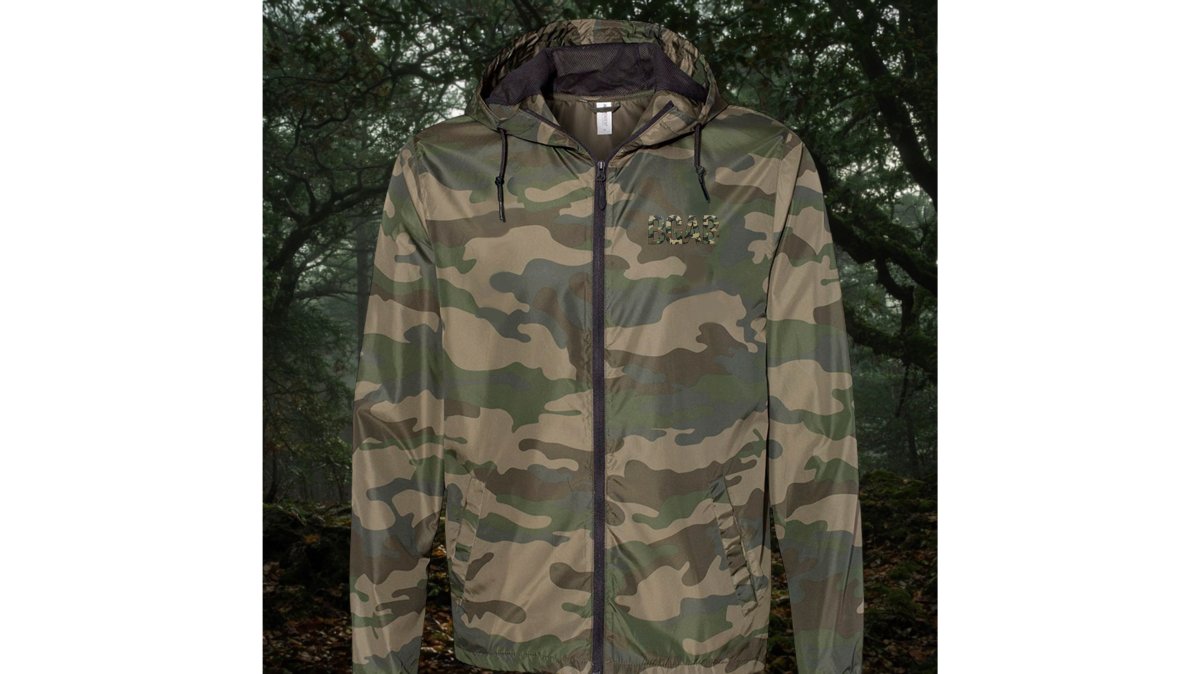
The BGAB Windy Day Jacket features a 100% polyester shell with 600mm waterproof pressure resistance, a three-panel hood that preserves peripheral vision, elastic cuffs that seal wind, and a mesh hood liner that prevents condensation.

Water-resistant gear also keeps your scent profile cleaner. Wet clothing holds odor longer and releases it more aggressively. Staying dry means staying invisible to the animals you're hunting.
Building an Effective Hunting Clothes Layering System
A three-layer system is essential: base layer wicks moisture, mid-layer traps warmth, outer layer blocks wind and water. Skipping any layer compromises the whole system.
Avoid cotton entirely, it absorbs moisture and holds it against your skin. Synthetic fabrics and merino wool wick moisture and dry quickly.
Base Layer: Moisture Wicking as Your Foundation
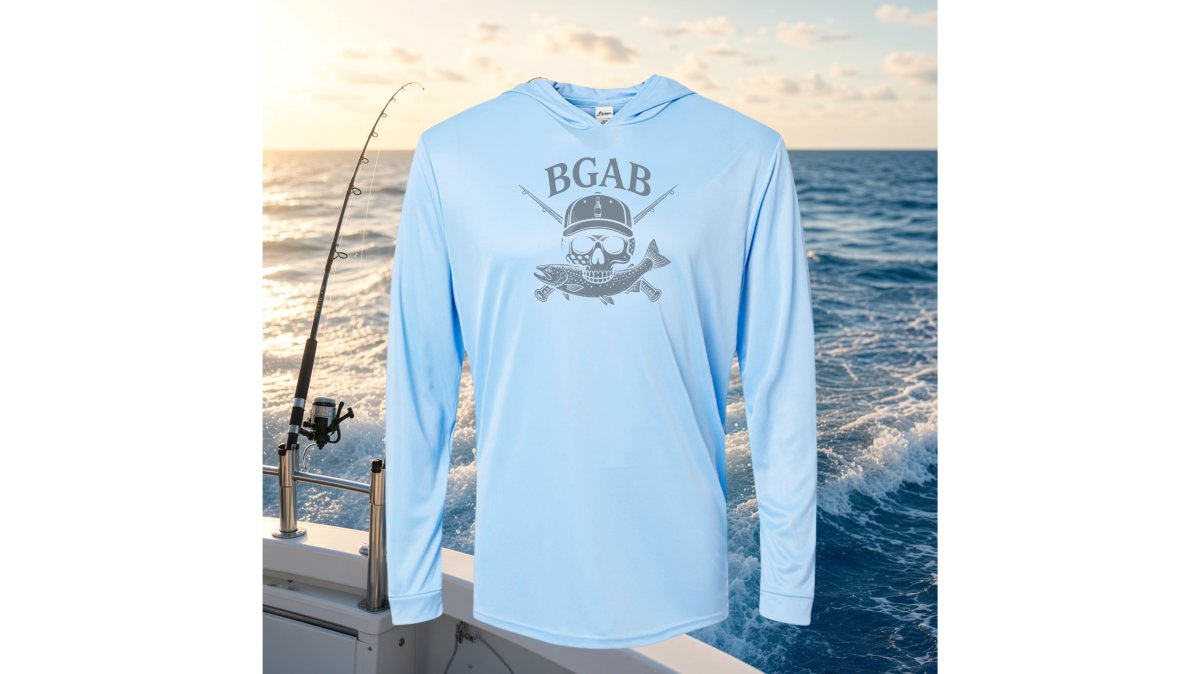
Your base layer must wick sweat continuously. The BGAB Darkwater LS Shirt uses 100% lightweight polyester with superior moisture-wicking and UPF 44+ sun protection for early-season hunts.

Moisture-wicking base layers dry fast, preventing evaporative chill during sits. The fabric is snag-resistant and odor-resistant, unlike cotton.
A quality base layer should fit snug without restricting movement; loose layers bunch and cause chafing.
Mid Layer: Insulation Without Bulk
The mid-layer traps air for insulation without bulk. Fleece, wool, or synthetic materials work; fit should allow air circulation while staying in place during movement.
Layering offers flexibility, skip the mid-layer in early season, add it in late season, adjusting as temperature changes.
Outer Layer: Wind and Water Protection
Your outer layer is your shield. The BGAB Windy Day Jacket features water-resistant coating, wind-blocking shell, welt pockets, and a locker loop for secure active movement.
Wind can drop effective body temperature by 20+ degrees. A quality outer layer stops wind and handles rain, snow, and moisture without added weight.
Getting the Right Fit: Hunting Apparel Fit and Sizing Essentials
Fit determines whether gear works or works against you. Too tight restricts movement; too loose creates noise and gaps. Hunting apparel must accommodate layers while allowing full range of motion.
Measuring for Proper Fit
Measure your chest at the fullest point and sleeve length from center back neck to wrist. Performance base layers fit snug, slightly compressed when worn alone is correct.
For mid-layers, raise your arms and draw a bow to your shoulder. The layer should move with you without bunching; fabric folds at the armpit mean it's too large.
Outer layers require careful sizing. Measure your chest over your full layering system. Many hunters size up one full size to avoid compression. Sit in your typical hunting position and check for fit problems:
- Shoulder restriction: Raise arms overhead, no pulling or chest restriction.
- Torso length: Jacket covers hips when seated; no lower-back gaps.
- Sleeve length: Reach wrist bone; no mid-forearm exposure or bunching in gloves.
- Cuff fit: Seals wrist without cutting circulation; one finger fits between cuff and skin.
- Hood fit: Peripheral vision clear; hood doesn't block movement detection.
Layering Thickness and Size Interaction
Mid-layer thickness affects outer-layer sizing. For multi-season hunting, size your outer jacket for your heaviest layering scenario. The BGAB Windy Day Jacket accommodates a full three-layer system without compression.
Testing Fit Before Purchase
If buying online, order two sizes and return the incorrect fit. If buying in-store, wear your actual base and mid-layers during fitting.
Perform these field-position tests: (1) Draw test, raise dominant arm; no pulling or chest restriction. (2) Sit test, jacket stays in place; no lower-back gap. (3) Reach test, reach across body; no bunching. (4) Noise test, move arms and torso; no rustling.
Proper fit is non-negotiable: poor fit reduces performance and creates noise that alerts game. Too large causes rustling; too tight restricts blood flow and core temperature maintenance.
Durability and Long-Term Value of Quality Hunting Apparel
Quality gear costs more upfront but delivers value over years. A durable jacket lasting ten seasons costs less per use than replacing cheap jackets every other year. BetterGrabABeer.com uses reinforced seams, fade-resistant fabrics, and snag-resistant construction.
Moisture-wicking fabrics maintain properties through dozens of wash cycles. The BGAB Darkwater Shirt features snag, stain, and odor-resistant properties that persist. UV protection and waterproof coatings stay effective with proper care.
BGAB Windy Day Jacket Camo Camo →
Quality gear maintains performance over time. A jacket shedding water after five years performs like new. Cheap alternatives lose waterproofing after one or two seasons.
Selecting Performance Hunting Gear for Your Specific Conditions
Different hunting situations demand different gear. A late-season tree-stand hunter faces different challenges than an early-season stalker. Match gear to your specific conditions, temperature, activity level, moisture exposure, and duration.
Map Your Hunting Profile
Document your actual hunting conditions for each hunt type: temperature range (check historical data), precipitation likelihood, wind exposure (open vs. sheltered terrain), activity level (stationary vs. active), and hunt duration (short vs. long sits).
Match Gear to Your Profile
Once you've documented your conditions, use this framework to select gear:
For cold, stationary hunting: Prioritize insulation and wind protection. Use BGAB Darkwater LS Shirt (base layer), a heavy insulating mid-layer rated for your lowest temperature, and BGAB Windy Day Jacket (600mm+ waterproof pressure resistance).
For wet, active hunting (stalking, hiking, coastal or rainy regions)
Prioritize breathability and waterproofing. You'll generate significant sweat during movement, so your gear must allow moisture vapor to escape while blocking liquid water. Use a moisture-wicking base layer and a lightweight, breathable mid-layer (thin fleece or merino wool). Your outer layer must have high breathability ratings (measured in grams of moisture vapor transmission per square meter per 24 hours; 5,000+ grams is adequate for active use).
For cool, dry hunting (early season, mountain terrain, low precipitation)
Prioritize mobility and layering flexibility. You'll experience variable temperatures as you hike to your location and then sit still. Use a moisture-wicking base layer and a lightweight mid-layer you can remove if you overheat during the hike. Your outer layer can prioritize fit and mobility over heavy waterproofing; 600mm waterproof pressure resistance handles morning dew and light rain.
For variable conditions (multiple seasons, unpredictable weather)
Build a modular system where you add or remove layers based on conditions. Start with a quality base layer (the BGAB Darkwater LS Shirt works year-round). Add a lightweight mid-layer for cool weather and a heavy mid-layer for cold weather. Use a single outer jacket with 600mm+ waterproof pressure resistance that works across seasons. This approach costs more upfront but eliminates the need to buy separate gear for each season.
Evaluate Gear Performance Against Your Conditions
Before purchasing, verify that your chosen gear actually performs in your conditions. Check product specifications for:
- Waterproof pressure resistance: Measured in millimeters. 600mm handles light rain and morning dew; 10,000mm+ handles heavy rain and snow. Match this to your precipitation likelihood.
- Breathability rating: Measured in grams of moisture vapor transmission. 5,000+ grams supports active hunting; 3,000-5,000 grams suits moderate activity; below 3,000 grams is for stationary use only.
- Insulation type and weight: Synthetic insulation and down both work; synthetic retains warmth when wet, down compresses for packability. Match insulation weight to your lowest expected temperature.
- Wind resistance: Tightly woven fabrics block wind better than loose weaves. Elastic cuffs and adjustable hoods reduce wind penetration at vulnerable points.
Account for Gear Degradation Over Time
Performance gear loses effectiveness with use and age. Waterproof coatings degrade after 50-100 wash cycles; insulation compresses and loses loft over years of use; elastic loses stretch. When selecting gear, consider how long you expect to use it and whether the gear will still perform adequately at the end of that period.
Start Simple, Then Expand
If you hunt multiple conditions, don't buy a complete system for each scenario. Start with your most common hunting situation and build a system that works for those conditions. Once you understand how your gear performs in the field, you can add pieces for other conditions. Most hunters find that a quality base layer, one or two mid-layers, and a single outer jacket cover 80% of their hunting situations.
Conclusion: Invest in Gear That Performs When It Counts
The benefits of buying performance hunting gear compound over seasons. You stay comfortable longer, hunt more effectively, and succeed more often. Quality gear keeps you in the field when others quit, and that extra time translates to more opportunities.
Better Grab A Beer offers performance hunting apparel built for real conditions, moisture-wicking base layers, durable mid-layers, and weather-resistant jackets that work when it matters. Every purchase supports the Wounded Warrior Project through our commitment to donate 10% of all sales to the organization.
Start with a solid base layer like the BGAB Darkwater LS Shirt, add a mid-layer suited to your conditions, and finish with a weather-resistant outer jacket like the BGAB Windy Day Jacket. This foundation transforms your field experience and your success. Get started with Better Grab A Beer and hunt with the confidence that comes from wearing gear engineered to perform.
| Layering Component | Primary Function | Best For |
|---|---|---|
| Base Layer | Moisture wicking | All conditions; worn against skin |
| Mid Layer | Insulation | Cold conditions; traps warm air |
| Outer Layer | Wind and water protection | Wet or windy conditions; final shield |
According to the Outdoor Industry Association's hunting gear research, hunters who invest in proper layering systems report 40% longer comfortable hunting sessions compared to those wearing basic apparel.
Research from the American Sportsman Foundation's gear performance study shows that weather-resistant outer layers reduce heat loss by up to 35% in windy conditions, extending productive hunting time significantly.
The National Hunting and Fishing Day guidelines recommend proper insulation and weather protection as essential safety components for extended field time.
Frequently Asked Questions
What are the main benefits of buying performance hunting gear?
Performance hunting gear delivers comfort, durability, and reliability in challenging field conditions. Moisture-wicking fabrics keep you dry during physical exertion, weather-resistant materials protect against rain and wind, and quality construction withstands repeated use and washing. When you're in the field for hours, gear that performs reduces fatigue and keeps your focus on the hunt rather than your discomfort.
How should hunting clothes fit to work effectively?
Hunting apparel fit and sizing should allow full range of motion without excess fabric that creates noise or bulk. Sleeves need to reach your wrist when arms are extended, torso should have enough room for layering underneath, and waistbands should sit comfortably without restricting movement. Proper fit ensures moisture-wicking fabrics contact your skin and weather-resistant outer layers seal properly against the elements.
Why is a hunting clothes layering system important?
A hunting clothes layering system lets you adjust to changing temperatures throughout the day without overheating or getting cold. Base layers wick moisture away from skin, mid layers trap insulating air, and outer shells block wind and water. This approach works better than wearing one thick jacket because you can add or remove layers as conditions change, keeping you comfortable and focused during your hunt.
Is performance hunting gear worth the investment compared to regular outdoor clothes?
Yes. Performance hunting gear is engineered for the specific demands of field use: durability through repeated washing, fabrics that perform in cold and wet conditions, and construction that handles physical activity. Regular outdoor clothes often lack these features and deteriorate faster. When you calculate cost per use over multiple seasons, quality performance gear delivers better long-term value and keeps you effective in the field.