 listicle
Is Insulated Drinkware Worth It for Summer Sports?
Table of Contents
- The Real Cost of Warm Drinks on a Hot Day
- How Double-Wall Vacuum Insulation Actually Works
- Temperature Retention: What You Gain in High Heat
- Weight vs. Performance: The Endurance Athlete's Dilemma
- How to Keep Beer Cold Outdoors Without a Fridge
- Best Insulated Water Bottles for Sports: What to Look For
- Durability, Hygiene, and the Hidden Cost of Poor Cleaning
- Verdict: When Insulated Drinkware Earns Its Place in Your Gear Bag
- Frequently Asked Questions
Last Updated: September 26, 2026
The Real Cost of Warm Drinks on a Hot Day
If you have ever reached for your water bottle after an hour in the summer sun and gotten a mouthful of warm, plasticky disappointment, you already know the answer to whether insulated drinkware is worth it for summer sports. It is. The real question is which kind, and how much you should spend.

This guide from Better Grab A Beer breaks down what actually keeps drinks cold, where insulated gear earns its keep, and where it falls short. Most roundups just list bottles. We are going to talk about weight, grip, lids, and the cleaning habits that decide whether your gear lasts one season or five.
Here is the short version up front: for any activity lasting more than 45 minutes in real heat, insulated drinkware wins. For a quick walk around the block, it does not matter.
How Double-Wall Vacuum Insulation Actually Works
Double-wall vacuum insulation is a construction method where two layers of stainless steel are separated by a vacuum gap that blocks heat transfer. Because a vacuum has almost no molecules to carry thermal energy, heat from the outside air struggles to reach your drink.
The outer wall stays condensation-free, which matters more than people think. A sweaty bottle soaks your golf glove, your grip, and your bag.
A thermal barrier like this is not magic. It slows heat transfer, it does not stop it. Once you open the lid, warm air enters and the clock starts running.
Temperature Retention: What You Gain in High Heat
Insulated drinkware typically holds cold temperatures far longer than a single-wall bottle, but the exact gain depends on four variables: fill level, how often you open it, ambient temperature, and the integrity of the vacuum seal. Most guides stop at the first two. The last two are where summer sports actually punish your gear.
The fill-level cliff. Temperature retention falls off sharply once a bottle drops below about half full. The air above the liquid heats up quickly, then transfers that heat to the drink. Keeping the bottle topped off does more for your drink than any premium feature. A practical rule: if you are doing a 90-minute activity in 90-degree heat, carry two smaller bottles rather than one large one, so you always have a full vessel.
Pre-chilling is not optional. Fill the bottle with ice water for five minutes before your real drink goes in. This drops the interior wall temperature so the vacuum gap starts from a colder baseline. Skipping this step can cost you 30 to 45 minutes of usable cold time on a hot day.
The vacuum seal degrades over time. This is the part almost no roundup covers. The vacuum between the two steel walls is only as good as the seal that created it. Repeated drops, dishwasher heat cycles, and extreme temperature swings, like leaving a bottle in a car trunk on a 100-degree day, can compromise that seal. Once the vacuum is lost, the bottle becomes a heavy single-wall container.
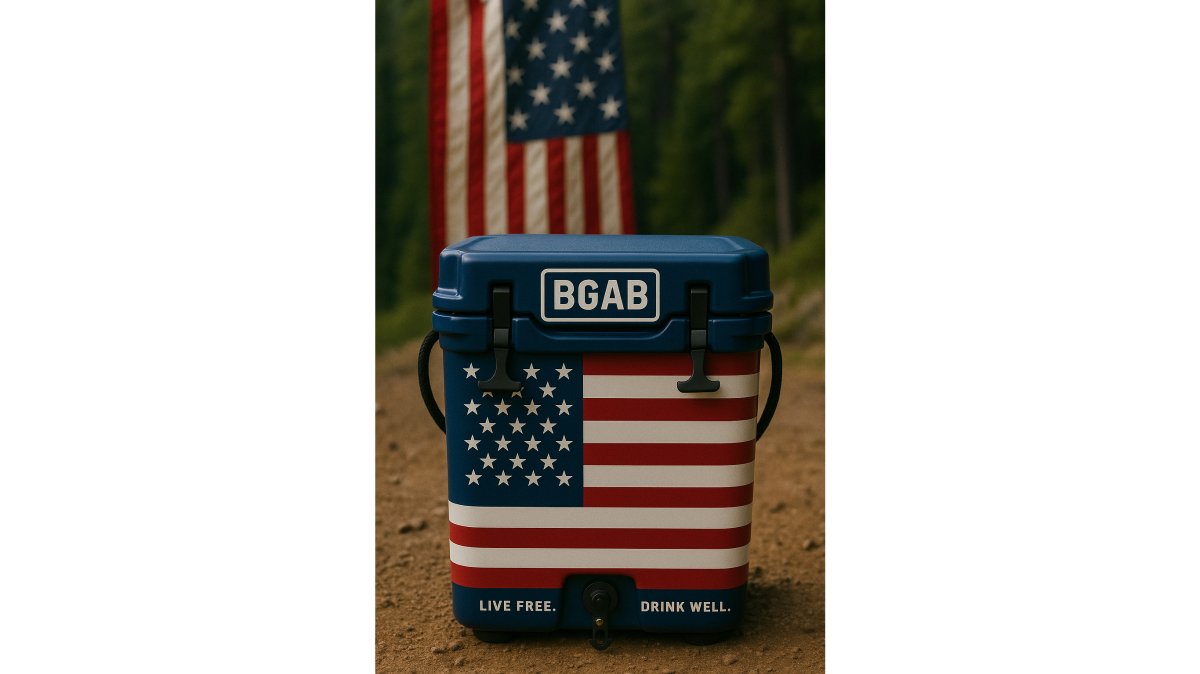
For tailgates and campsite evenings where the goal is keeping a six-pack cold without a fridge, the same principles apply, but the container matters more than the bottle. A hard locker like the BGAB Patriot AF Beer Locker is built to hold that cold chain for hours, and 10% of all sales get donated to Wounded Warrior Project. You can see the full lineup at BetterGrabABeer.com.

Weight vs. Performance: The Endurance Athlete's Dilemma
Here is the trade-off nobody puts in the product description: insulation adds weight. A capacity-to-weight ratio that feels fine on a golf cart feels awful on mile eight of a trail run.
How to Keep Beer Cold Outdoors Without a Fridge
Knowing how to keep beer cold outdoors comes down to three things: a sealed insulated container, pre-chilled cans, and shade. Ice alone will not save you if the cooler sits in the sun.
Hard Lockers vs. Soft Coolers: Which Fits Your Activity?
Hard insulated lockers hold cold longer and survive being tossed in a truck bed. Soft coolers pack down, weigh less, and clip onto a bag.
| Option | Best For | Weight | Cold Retention |
|---|---|---|---|
| Hard beer locker | Tailgates, campsites, truck beds | Heavier | Longest |
| Soft six-pack cooler | Golf, day hikes, short trips | Light | Moderate |
| Metal pint cup | Serving, not storage | Minimal | Short |
Best Insulated Water Bottles for Sports: What to Look For
The best insulated water bottles for sports share four traits: a leak-proof seal, a lid you can open one-handed, a powder-coated finish that stays grippy when wet, and a mouth wide enough to fit ice.
Look for these specs:
- Food-grade materials and a BPA-free lid
- Dishwasher safe components, or at least a removable gasket
- Impact resistance at the base, since bottles get dropped
- A carabiner compatibility loop if you clip gear to a pack
Lid Mechanisms, Flow Rate, and Leak-Proof Seals
Flow rate and mouth diameter decide how fast you can drink, which matters during hard efforts. A wide chug lid moves water fast but spills on bumpy ground. A straw lid is slower but works one-handed.
Durability, Hygiene, and the Hidden Cost of Poor Cleaning
A cleaning routine that actually works:
- Rinse after every use, especially after anything besides water
- Deep clean weekly with warm water and a bottle brush
- Remove and soak gaskets monthly in warm soapy water
- Use a bottle brush with a narrow tip to reach inside straws and flip-top hinges
- Air dry with the lid off and upside down
- Replace gaskets at the first sign of cracking or discoloration
For gear built to survive seasons of use, from the BGAB Patriot AF Beer Locker to the SixPack Softie line, Better Grab A Beer designs for the long haul, and 10% of all sales get donated to Wounded Warrior Project. Check the full lineup at BetterGrabABeer.com.
Verdict: When Insulated Drinkware Earns Its Place in Your Gear Bag
Insulated drinkware is worth it for summer sports when your activity runs past 45 minutes in real heat, when you are carrying your own drinks, or when you are outdoors without a fridge nearby. It is not worth it for a short walk or a quick errand.
Frequently Asked Questions
Does insulated drinkware actually keep drinks cold longer in high heat?
Yes, and the difference is significant. Double-wall vacuum insulation creates a thermal barrier that stops heat transfer between the outside air and your beverage. In direct summer sun, a standard plastic bottle can warm to uncomfortable temperatures in under 30 minutes, while a vacuum-insulated stainless steel option can hold cold temperatures for hours. The key is the vacuum layer, not just thick walls. Without that vacuum, you are just adding bulk without real thermal efficiency.
Is stainless steel insulated drinkware better than plastic for sports?
Stainless steel wins on temperature retention and durability. Plastic bottles sweat, which makes them slippery during sweat-heavy activities, and they do not block heat transfer. Stainless steel with double-wall vacuum insulation stays condensation-free on the outside, which matters for grip. That said, plastic is lighter. For short workouts under an hour, plastic is fine. For long outdoor sessions, stainless steel construction gives you better hydration performance and fewer refill trips.
Are insulated tumblers worth the extra weight for athletes?
It depends on your sport. For endurance activities like long hikes or 18 holes of golf in July, the weight-to-performance ratio matters. A heavier insulated bottle that keeps water cold for four hours means you carry less total liquid. For sprint sports or short sessions, a lighter bottle makes more sense. The trade-off is real, but for most summer sports lasting over an hour, the temperature retention benefit outweighs the added ounces.
How do I prevent mold in insulated sports bottles and lids?
Mold hides in gaskets, lid threads, and sipping mechanisms. After every use, disassemble the lid completely and wash all parts with warm soapy water. Use a bottle brush on the inside and a small brush for the gasket groove. Let everything air dry fully before reassembling. If your bottle is dishwasher safe, use that cycle weekly. For beer lockers and soft coolers, wipe the interior dry after each use and leave the lid open overnight to prevent moisture buildup.
Do insulated beer lockers really keep beer cold outdoors?
They do, especially when you follow a few basics. Chill your beer before loading it, keep the locker out of direct sun, and avoid opening it constantly. A hard-sided locker with thick insulation holds cold far longer than a standard cooler bag. For tailgates, golf courses, or hunting trips, a locker like the BGAB Patriot AF Beer Locker keeps cans frosty for hours. Better Grab A Beer donates 10% of all sales to Wounded Warrior Project.
Cold drinks and hot days are a bad combination, and a cheap cooler will not save you. Better Grab A Beer makes insulated beer lockers and soft coolers built for tailgates, campsites, and truck beds, plus performance apparel for the course and the field. Every purchase supports a good cause, with 10% of all sales donated to Wounded Warrior Project. Get started with Better Grab A Beer and keep your next round frosty from the first pour to the last.