 listicle
Best Hunting Apparel for Extreme Cold
Table of Contents
- Why Hunting Apparel for Extreme Cold Demands a Different Approach
- The Best Layering System for Hunting in Freezing Temperatures
- BGAB Predator Hunt Hoodie: Camo Mid-Layer for Active Hunting
- How to Stay Warm in a Tree Stand During Extended Cold Sits
- Extreme Cold Weather Hunting Boots and Footwear Selection
- Critical Gear Failure Scenarios and Prevention
- Maintenance and Long-Term Care for Cold-Weather Hunting Gear
- Frequently Asked Questions
Last Updated: September 29, 2026
Why Hunting Apparel for Extreme Cold Demands a Different Approach
The best hunting apparel for extreme cold requires engineering designed specifically for sub-zero conditions. Your body loses heat through conduction, convection, radiation, and evaporation. A damp base layer loses 90% of its insulating value, which is why the layering system matters more than any single piece of gear.
This guide breaks down the science and strategy behind staying warm in extreme cold, covering moisture-wicking base layers, insulation systems, and how BetterGrabABeer.com's best hunting apparel for extreme cold fits into a complete cold-weather system.
The Best Layering System for Hunting in Freezing Temperatures
The three-layer system is your foundation: base layer moves moisture away from skin, mid-layer traps dead air for insulation, and outer shell blocks wind and precipitation.

Base Layer: Moisture-Wicking Foundation
Merino wool and synthetic moisture-wicking fabrics pull sweat away from skin. Never wear cotton as a base layer in sub-zero conditions.
Merino wool regulates temperature and resists odor when damp; synthetics dry faster and cost less. Choose lighter weights for active hunting, heavier weights for stand hunting.
Mid-Layer: Insulation and Heat Retention
Down insulation offers exceptional warmth-to-weight but loses value when wet. Synthetic insulation maintains loft when damp, making it more reliable for unpredictable conditions.
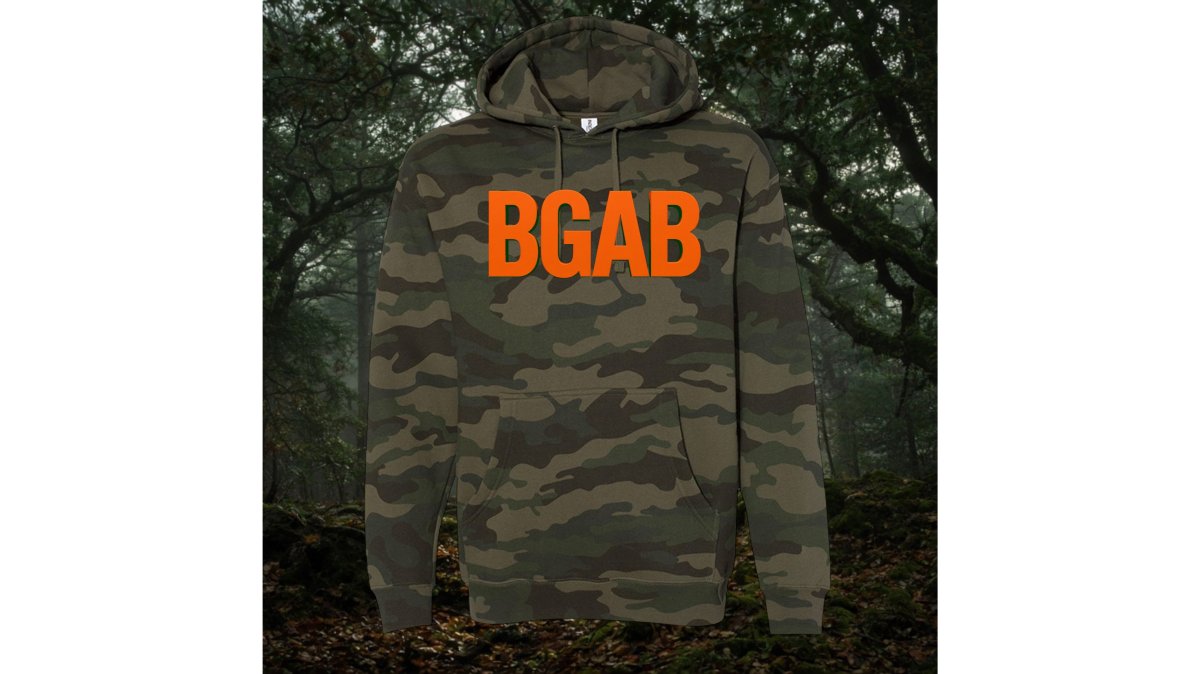
Fleece mid-layers offer breathability and moisture management for active hunting. The BGAB Predator Hunt Hoodie combines fleece-lined construction with a generous fit that accommodates base layers.

Outer Shell: Windproof and Waterproof Protection
Your outer shell must block wind and precipitation while allowing moisture vapor to escape. DWR coating sheds snow and rain; seam-sealed construction prevents water infiltration. Look for silent fabric and camo patterns designed for visibility to other hunters.
The outer shell should fit loosely over mid-layers. Articulated fit for shooting position matters for stand hunters. Hand-warmer pockets are essential.
BGAB Predator Hunt Hoodie: Camo Mid-Layer for Active Hunting
The BGAB Predator Hunt Hoodie is an effective mid-layer built from 75% cotton and 25% polyester with a fleece-lined hood. The fleece lining adds warmth around your face and neck, critical areas for heat retention. The twill neck tape and reinforced seams withstand repeated use. The camo pattern blends with natural hunting environments. Better Grab A Beer donates 10% of all sales to Wounded Warrior Project, so your purchase supports veterans.
How to Stay Warm in a Tree Stand During Extended Cold Sits
Standing motionless in extreme cold differs from active hunting because your body produces minimal metabolic heat. Peripheral vasoconstriction reduces blood flow to extremities to preserve core organs, which is why stand hunters experience numb fingers and toes even with adequate insulation.
Start with a moisture-wicking base layer, add a heavy synthetic or down mid-layer, then wear a windproof outer shell. Many stand hunters add a fourth layer, an insulated vest or parka, to create enough insulation that your body doesn't trigger aggressive vasoconstriction.
Metabolic Heat Management During Long Sits
A hunter sitting motionless in 0°F can burn 400-600 calories per hour generating heat. Bring high-fat, high-protein foods: nuts, jerky, energy bars, and cheese. Eat small amounts frequently rather than one large meal, which diverts blood away from extremities.
Drink warm coffee, tea, or broth every 30-45 minutes to maintain core temperature and stimulate circulation. Never drink alcohol in extreme cold; it increases heat loss by up to 25%.
Positioning and Micro-Movement Strategies
Sit with your back against the tree to block wind. Keep your legs together and avoid dangling them; cross your legs or tuck them under you if possible.
Every 10-15 minutes, flex leg muscles, clench and release fists, and rotate shoulders slightly. These isometric contractions generate metabolic heat without alerting game. Hunters who incorporate micro-movements stay warmer and more alert.
Hand and Foot Warming Systems
Chemical hand and foot warmers are essential for extreme cold stands. Position hand warmers in pockets with your hands, not in gloves where they cause sweating. Place foot warmers on top of insoles under the arch where blood vessels run close to the surface.
Battery-powered heated vests and socks add warmth but require careful management. Lithium batteries lose 30-50% capacity below 0°F, so carry backup batteries in an inside pocket where body heat keeps them functional.
Wool blankets draped over your lap add insulation without restricting shooting. Insulated bibs with integrated hand muffs allow you to keep hands warm while maintaining shooting position.
Recognizing and Responding to Cold-Related Problems
Shivering indicates your core temperature is dropping; move or add insulation immediately. Numbness in fingers and toes indicates severe vasoconstriction. Confusion, slurred speech, or loss of coordination indicate moderate hypothermia, exit immediately. Frostbite develops in 10-15 minutes on exposed skin at sub-zero temperatures with wind. Never hunt alone in extreme conditions. Tell someone where you're going and when you'll return. Carry a backup insulated layer in your vehicle and have a clear exit strategy before climbing into a stand.
Extreme Cold Weather Hunting Boots and Footwear Selection
Boots rated for sub-zero need 800-1000 grams of insulation. Fit is critical: too tight compresses insulation and restricts blood flow; too loose allows foot movement and heat loss. Wear thick wool socks and consider vapor-barrier socks that prevent moisture from reaching insulation.
Wet boots in extreme cold lead to frostbite within hours. Rubber bottoms with leather or synthetic uppers provide better waterproofing than all-leather boots. Gaiters prevent snow from entering.
Critical Gear Failure Scenarios and Prevention
Extreme cold accelerates gear failure. A torn outer shell or broken zipper becomes catastrophic. Understanding failure patterns and field response is the difference between a salvaged hunt and a survival emergency.
Common Failure Modes in Extreme Cold
Zippers fail in extreme cold because metal becomes brittle. Waterproof membranes can delaminate from compression or temperature swings. Insulation compresses permanently under pressure and loses loft. Boots fail at seams where upper meets sole, leading to frostbite. Small tears expand rapidly as wind stress pulls fabric apart. DWR coatings fail when exposed to salt, detergent, or UV damage.
Field Repair Tactics for Common Failures
Carry a repair kit: waterproof repair tape, sewing kit, zipper repair tool, graphite lubricant, and flexible sealant. For torn shells, apply repair tape over both sides.
Prevention Through Pre-Hunt Inspection and Maintenance
Emergency Protocols and Exit Strategies
Maintenance and Long-Term Care for Cold-Weather Hunting Gear
Proper maintenance extends gear life and maintains performance. After each hunt, hang wet gear to dry completely before storing. Moisture trapped in insulation promotes mold and degrades thermal properties. Never machine wash down insulation; use specialized down soap and hand wash gently. Synthetic insulation tolerates machine washing on gentle cycles.
| Maintenance Task | Frequency | Impact on Performance |
|---|---|---|
| Inspect seams for separation | Before each season | Prevents water infiltration |
| Reapply DWR coating | Every 1-2 seasons | Maintains water shedding |
| Clean and dry boots | After each hunt | Extends boot life, prevents mold |
| Check zippers and closures | Before each hunt | Prevents mid-hunt failures |
| Wash base layers | After each hunt | Maintains moisture-wicking |
| Treat leather boots | Annually | Prevents cracking and water damage |
Frequently Asked Questions
What is the best layering system for extreme cold hunting?
The best layering system for extreme cold hunting uses three layers: a moisture-wicking base layer to pull sweat away from skin, an insulating mid-layer like fleece or down for heat retention, and a waterproof, windproof outer shell. This combination prevents hypothermia by managing moisture while trapping body heat. Start with synthetic or merino wool base layers, add a camo hoodie like the BGAB Predator Hunt Hoodie ($60) as your mid-layer, and finish with a seam-sealed outer jacket. Adjust layers based on activity level, remove the mid-layer during active stalking, add it back during stationary stands.
How do you stay warm while stationary in a tree stand during extreme cold?
Staying warm in a tree stand during extreme cold requires passive insulation since you're not moving. Wear all three layers plus insulated, waterproof hunting boots. Use hand and foot warmers, wear insulated gloves with trigger access, and consider a battery-powered heated vest for long sits. Avoid caffeine and sugary snacks that cause energy crashes. Keep your core temperature stable by wearing a puffy vest or down jacket over your mid-layer. Bring a small blanket or ground pad for your feet. The key is trapping body heat without restricting blood flow to extremities.
What materials are best for extreme cold hunting gear?
The best materials for extreme cold hunting gear include merino wool and synthetic blends for base layers (they wick moisture effectively), fleece and down insulation for mid-layers (down offers superior loft and heat retention per ounce), and polyester or nylon with durable water repellent coatings for outer shells (they resist wind and moisture without absorbing water). The BGAB Predator Hunt Hoodie uses 75% cotton and 25% polyester with fleece lining, providing solid insulation and durability. Look for seam-sealed construction, articulated fit for mobility, and silent fabrics that don't spook game.
Are heated apparel options worth the cost for extreme cold hunting?
Heated apparel can be worth the investment if you hunt stationary in sub-zero temperatures for extended periods. Battery-powered heated vests and gloves maintain core temperature without adding bulk, which improves comfort and focus. However, they require battery management and add weight. For most hunters, a proper three-layer system with insulated boots and hand warmers is sufficient and more cost-effective. Reserve heated gear for marathon tree stand sits or temperatures below -10°F. Check BetterGrabABeer.com for layering options that balance performance and budget.